Blood draining from the intestine does not ordinarily enter the general circulation without passing through the liver first. Nutrients absorbed from a meal travel through the hepatic portal vein into a network of specialized liver capillaries, where liver cells can take up, store, transform, or release substances. That arrangement explains why the liver has so many jobs: it sits at a major crossroads between digestion, metabolism, and the chemical composition of blood.
A special route from the gut
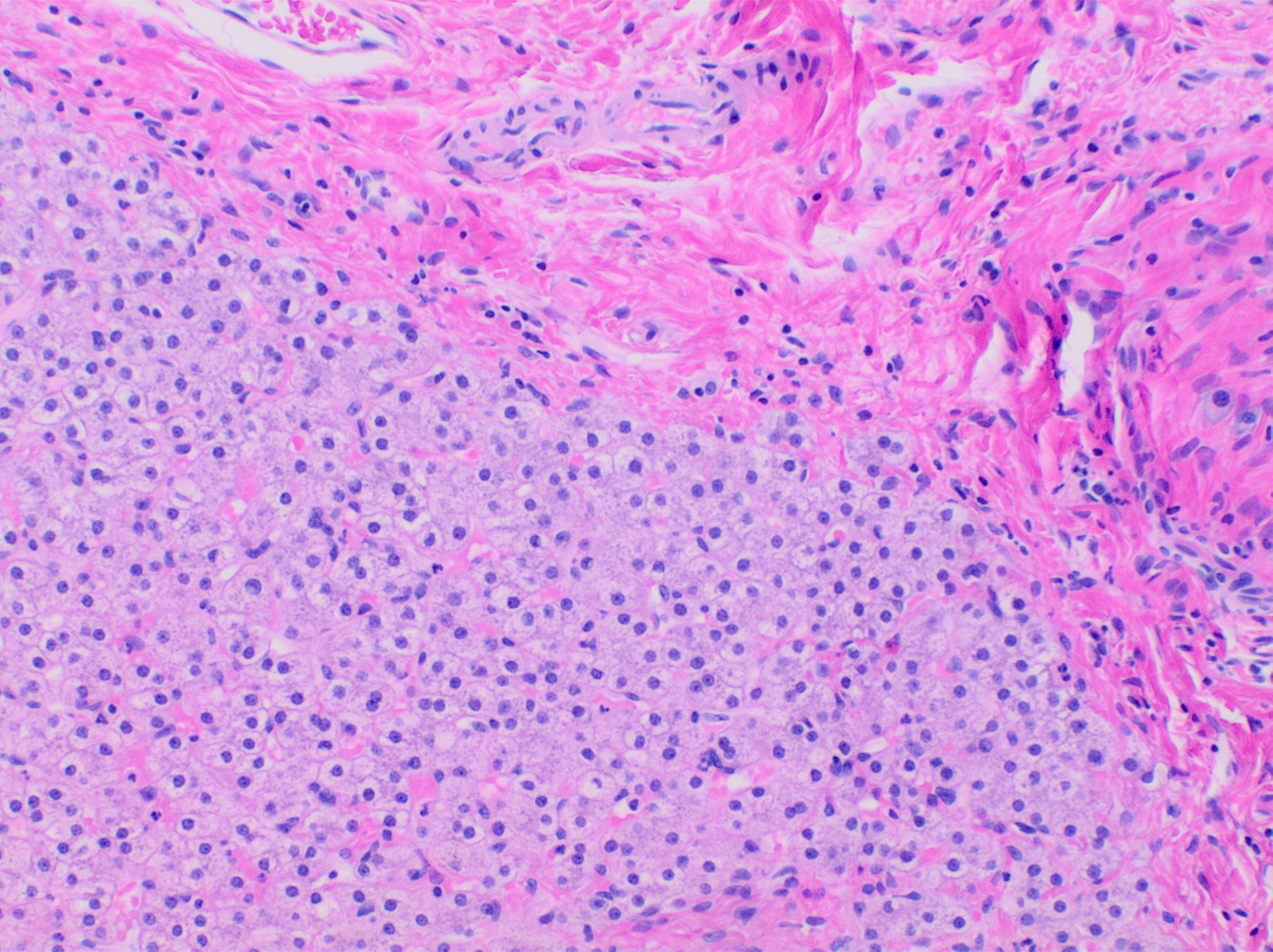
The hepatic portal system carries blood from much of the digestive tract and related organs toward the liver. Within the liver, this blood passes through sinusoids, specialized spaces lined by cells adapted for exchange. Hepatocytes sit close to the flowing blood and handle a remarkable range of molecules. At the same time, the hepatic artery supplies oxygenated blood. The resulting arrangement allows the liver to receive nutrient-rich portal blood while meeting its own metabolic needs.
Liver tissue is not a uniform chemical factory. Blood travels through microscopic regions with gradients in oxygen and nutrients, and hepatocytes in different positions can emphasize different metabolic tasks. This organization, sometimes described as metabolic zonation, helps explain why particular injuries or metabolic processes affect some regions more than others. A textbook drawing of a liver lobule simplifies the actual vascular network, but it captures a central idea: structure controls what each group of cells encounters.
What happens after a carbohydrate-rich meal?
After digestion, glucose and other nutrients enter the portal blood. The liver can convert some glucose into glycogen, a stored polymer that can later be broken down when blood glucose needs support. The balance depends on hormones, nutritional state, and tissue demand. Insulin-associated signaling tends to favor storage and use of incoming nutrients in appropriate conditions; glucagon-associated signaling helps promote release of glucose during fasting. These responses operate alongside glucose handling in muscle, fat, and other organs.
The liver can also manufacture glucose from suitable substrates through gluconeogenesis. That does not mean it creates matter or energy from nothing. The process requires substrates and energy, often supplied by other metabolic pathways. During a prolonged fast, the liver’s contributions change as glycogen reserves and available substrates change. A simple ‘store glucose after eating, release it when hungry’ summary is useful at first, but it hides multiple coordinated biochemical decisions.
Protein metabolism and the urea cycle
Amino acids are building blocks for proteins, but the body cannot store unlimited excess amino acids in a dedicated reserve the way it stores glycogen. When amino acids are broken down, nitrogen-containing groups must be handled safely. The liver converts much of the ammonia derived from amino acid metabolism into urea through the urea cycle. Urea then travels in blood to the kidneys, which excrete it in urine. The work of the liver and kidneys is linked, but their jobs are different.
The remaining carbon skeletons from amino acids can enter other metabolic pathways. Depending on the molecule and the body’s condition, they may help support energy production or synthesis of other compounds. The liver also makes many plasma proteins, including albumin and several proteins involved in blood clotting. These roles demonstrate why a liver disorder may affect circulation, fluid balance, or clotting—not only digestion. It is inaccurate to describe the liver solely as the body’s detox organ.
Fat handling and bile production
The liver participates in the manufacture, breakdown, and redistribution of lipids. It synthesizes cholesterol and components of circulating lipoproteins, and under particular metabolic conditions it produces ketone bodies that other tissues can use as fuels. Dietary fats, meanwhile, depend on bile for efficient handling in the intestine. Hepatocytes make bile, which travels through small channels and ducts; the gallbladder stores and concentrates much of it before release into the intestine.
Bile salts help disperse dietary fats into particles that digestive enzymes and absorption mechanisms can work with. Bile also carries substances destined for excretion, including bilirubin derived from the breakdown of heme. A problem with bile production or flow can therefore affect both nutrient absorption and waste removal. Bile is not a digestive enzyme and does not directly chop triglycerides into smaller molecules. Its role is physical and chemical support for lipid processing.
What ‘detoxification’ actually means
The liver transforms many medications, environmental chemicals, and naturally produced substances through enzyme-catalyzed reactions. Some phase I reactions introduce or expose chemical groups, often involving cytochrome P450 enzymes. Phase II reactions can attach other molecules, such as glucuronic acid, to make a substance easier to handle and eliminate. This common classification is useful, but real metabolic pathways are more varied than a fixed phase I followed by phase II conveyor belt.
Importantly, metabolism does not always make a chemical harmless. Some compounds become active medicines only after conversion, while others can form reactive or toxic intermediates. The effects depend on the substance, dose, genetics, other medications, and liver function. This is one reason drug interactions require careful study. A claim that a food or supplement ‘boosts the liver’s detox process’ cannot be evaluated without specifying the chemical, the pathway, and actual evidence of benefit and safety.
Drug handling involves distinct steps, not a single detoxification switch:
- Enzymes may chemically modify a compound, sometimes producing an active metabolite.
- Other reactions may attach a group that increases water solubility.
- Transport proteins move compounds or metabolites toward bile or blood for eventual elimination.
The sequence differs among drugs. Some leave the body largely unchanged, and some metabolites are more reactive than their parent molecules.
First-pass metabolism changes drug exposure
Some medicines taken by mouth are absorbed from the gut and encounter enzymes in the intestinal wall and liver before reaching the rest of the circulation. This first-pass metabolism can reduce the amount of active parent drug that reaches systemic blood. Different medicines are affected to different degrees. Route of administration, formulation, enzyme activity, and transport proteins all influence exposure, so an identical milligram dose does not imply identical concentrations in the blood.
Researchers study these processes with controlled drug-concentration measurements over time, enzyme experiments, and models of absorption and metabolism. They also account for active metabolites rather than measuring only the original compound. Such research supports dosing decisions but does not justify changing prescribed medication without professional advice. General biological articles can explain the mechanism; clinical decisions need information about the individual medicine and person.
How liver function is assessed
No single blood test reports every job the liver does. Some tests measure enzymes released from injured cells, while others measure substances related to bile flow or the liver’s capacity to synthesize proteins. The pattern is interpreted in context, including symptoms, medical history, and other findings. A normal result from one test does not mean that every metabolic reaction is operating normally, and an elevated enzyme does not identify one unique cause.
At the research level, liver-cell cultures, tissue slices, organoids, and animal models help investigate metabolism. Each model has limitations. A cultured cell may express different enzyme levels from the corresponding cell in an intact liver; a model lacking normal blood flow cannot reproduce all concentration gradients. That is why multiple approaches are often combined. For a discussion of the strengths and limitations of tissue-like models, see How Scientists Grow Organoids in the Lab.
A center of exchange, not a magical filter
The liver’s many tasks become easier to understand when viewed as coordinated chemical transformations. It stores some nutrients, releases others, builds proteins, makes bile, and alters compounds before they are passed along or eliminated. It does not simply ‘clean everything’ that arrives from the intestine. Its work is connected to the kidneys, blood, gut, and endocrine signals. For the separate mechanisms that maintain the composition of body fluids, see How the Kidneys Keep Blood Chemistry in Balance.
References and further reading
Featured image: Mikael Häggström · CC0 1.0.