
Cell Biology
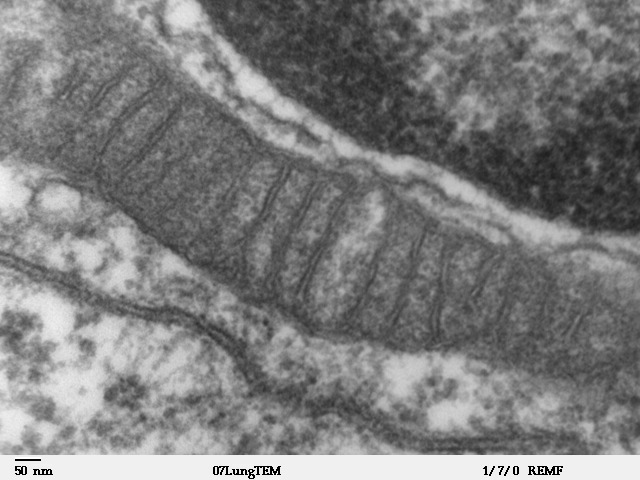
Why Cells Need ATP
The chemistry that connects respiration to cell movement, transport and repair.
The chemistry that connects respiration to cell movement, transport and repair.
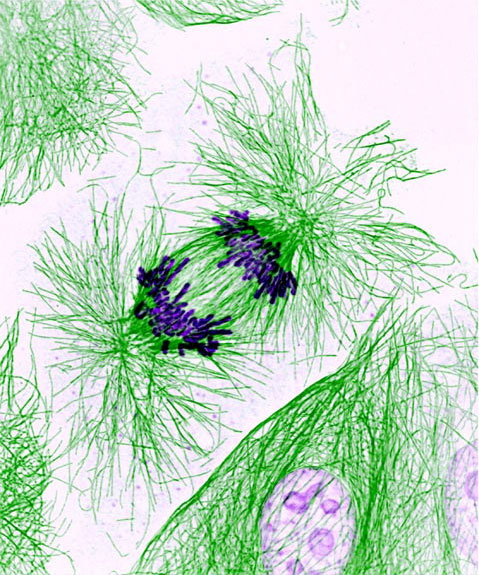
Before a cell divides, replication machines must copy DNA accurately and exactly once. This is how the forks, enzymes and safeguards work.
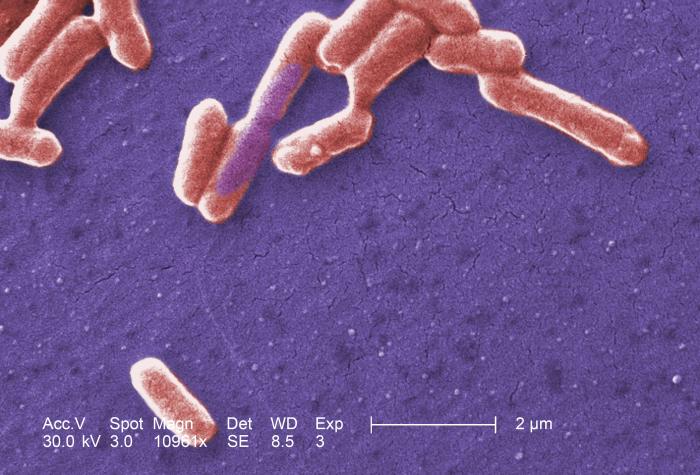
A chemical conversation can change how an entire bacterial population behaves.
Cell Biology covers the processes that allow cells to produce energy, build proteins and maintain their internal organization.…
Genetics examines how DNA is copied, inherited and altered. These articles distinguish basic inheritance patterns from chromosome-level changes…
Microbiology considers how microorganisms are organized, how bacteria exchange chemical signals and why surface-attached communities can behave differently…

Biotechnology looks at experiments and processes that put biological systems to work, from gene editing and designed metabolic…
Anatomy & Physiology follows the mechanisms by which body systems function, including the kidneys, electrical signaling in nerves…
Chemistry explores why atoms bind, how acidity affects biological reactions and what enzymes do to reaction rates. The…
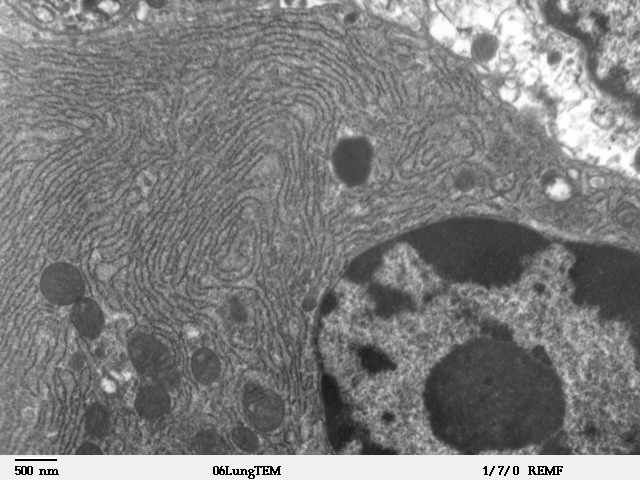
Protein folding, membrane production and calcium storage all take place in this connected network.
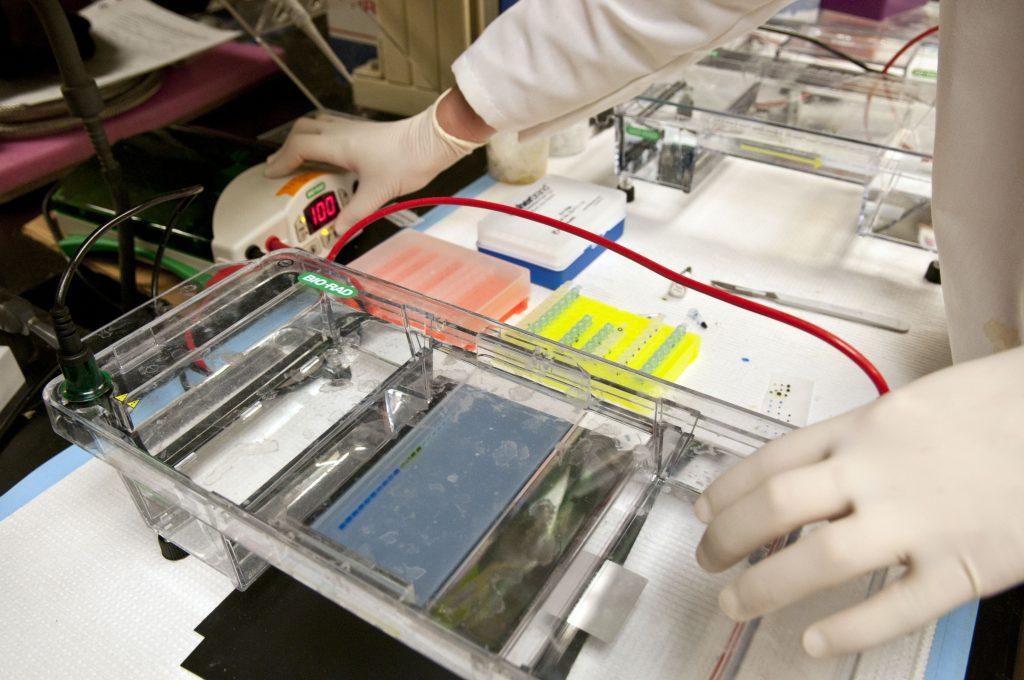
Inherited variants help explain family resemblance, but they are only part of the story. Mendelian probabilities and complex traits work differently.
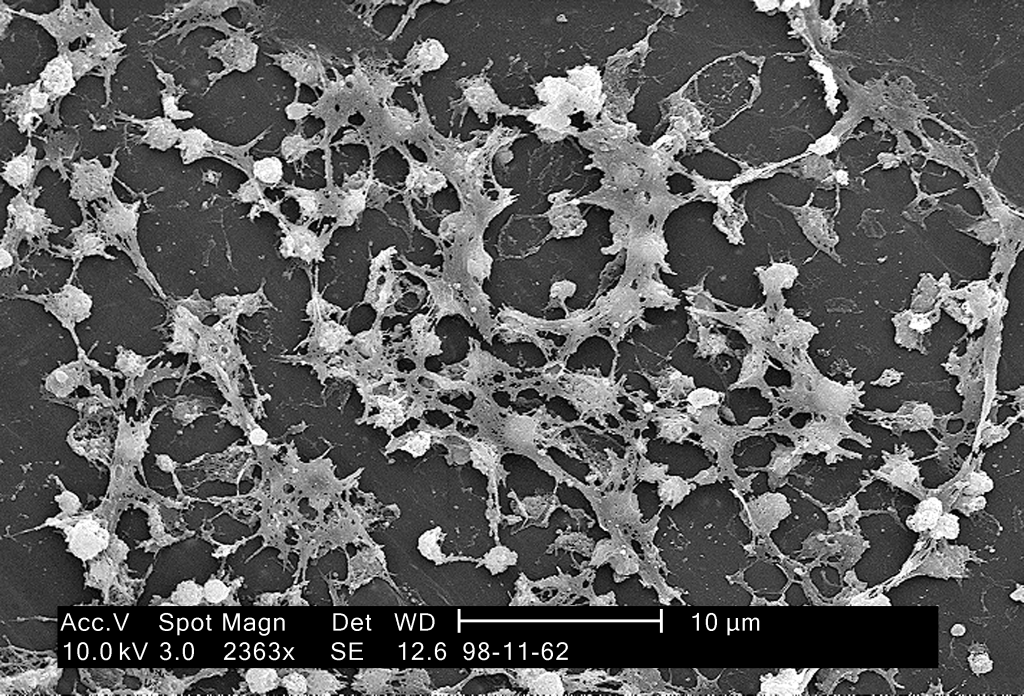
Microbes living in surface-attached communities behave differently from free-floating cells.
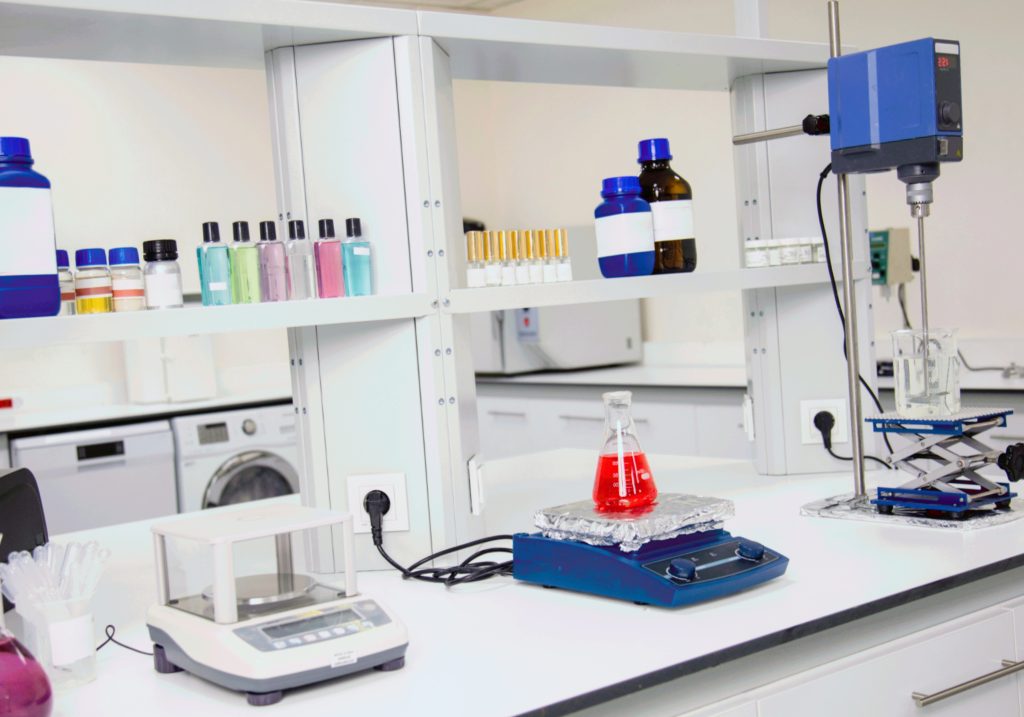
Gene editing can change DNA with remarkable precision, but the biology that follows is rarely simple.
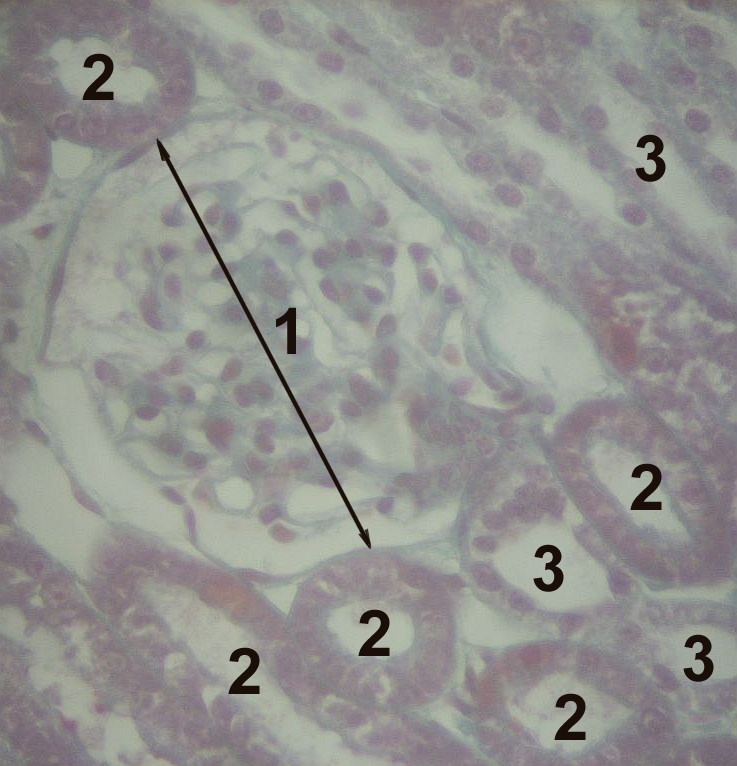
Filtration is only the beginning of the kidneys’ work.
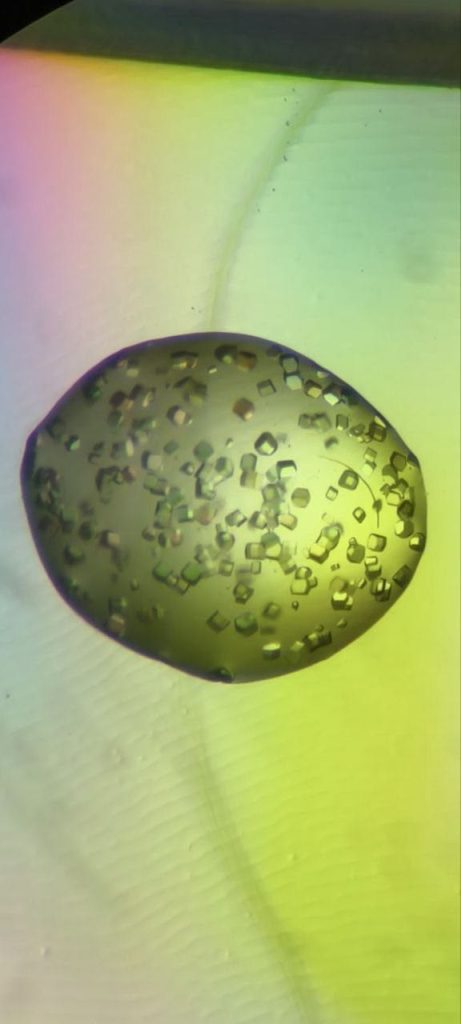
Catalysts make cellular chemistry proceed at useful rates without changing the overall equilibrium.