
Articles
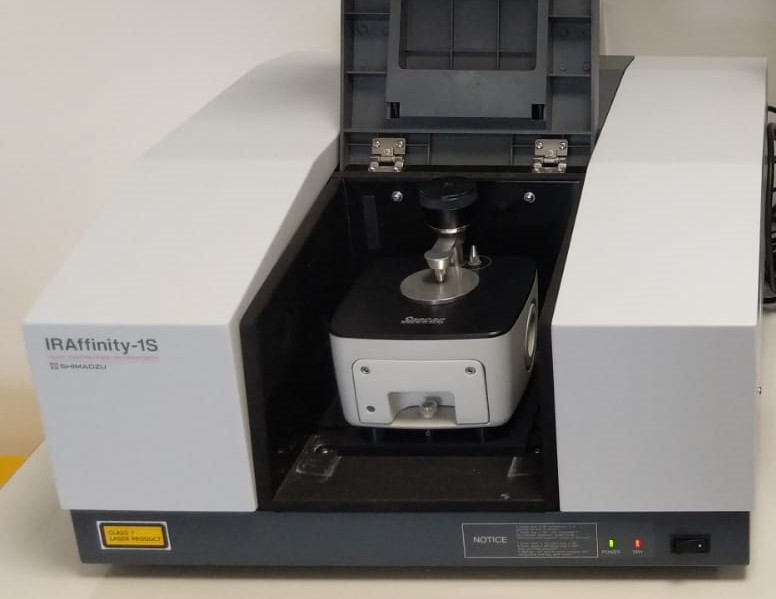
How Infrared Spectroscopy Identifies Molecules
How chemists use infrared absorption bands, functional-group regions and comparison spectra to investigate unknown samples.
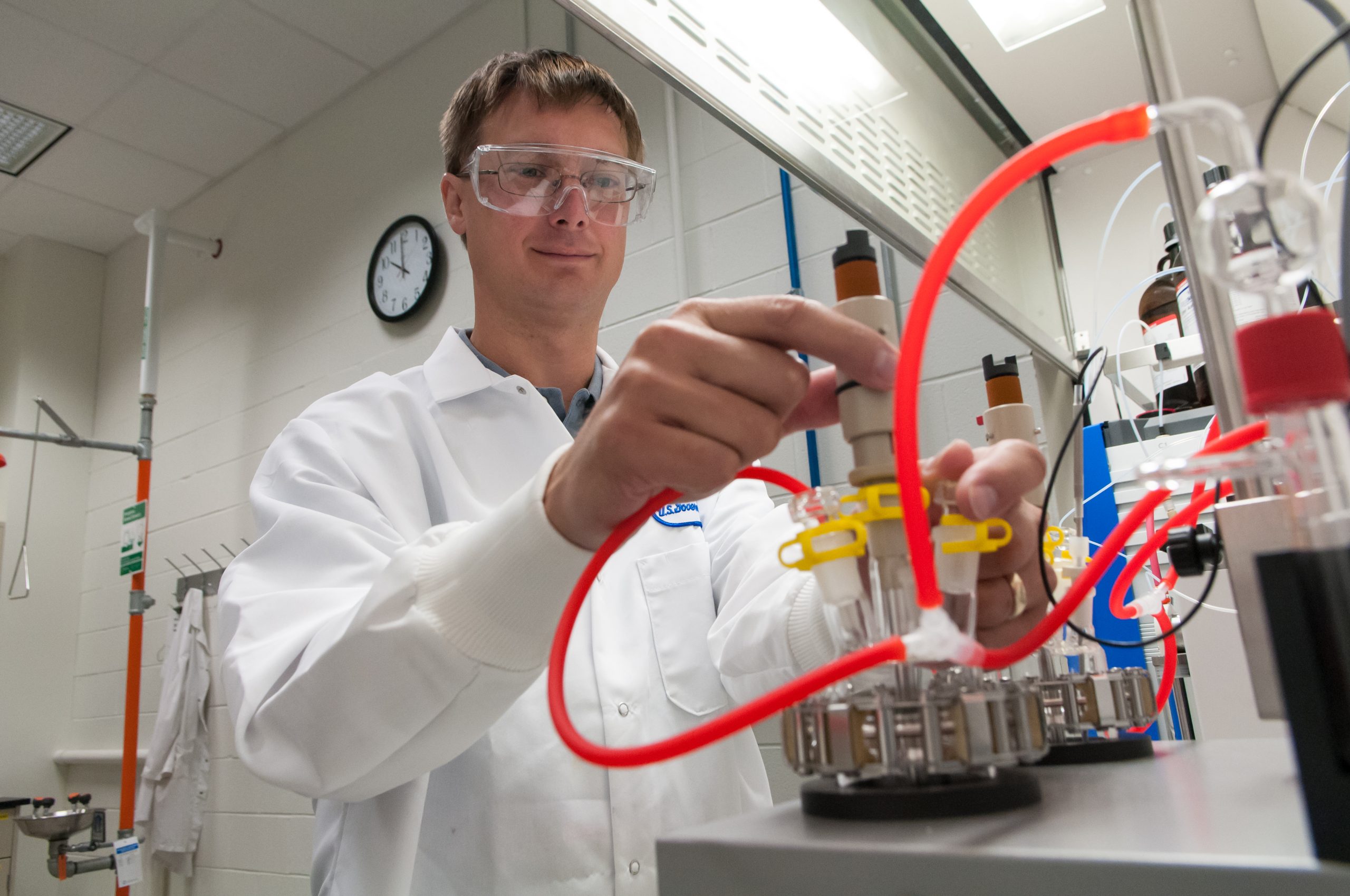
What Gibbs Free Energy Tells Us About Reactions
Why negative Gibbs free energy predicts a thermodynamic tendency, and why that says nothing about reaction speed.
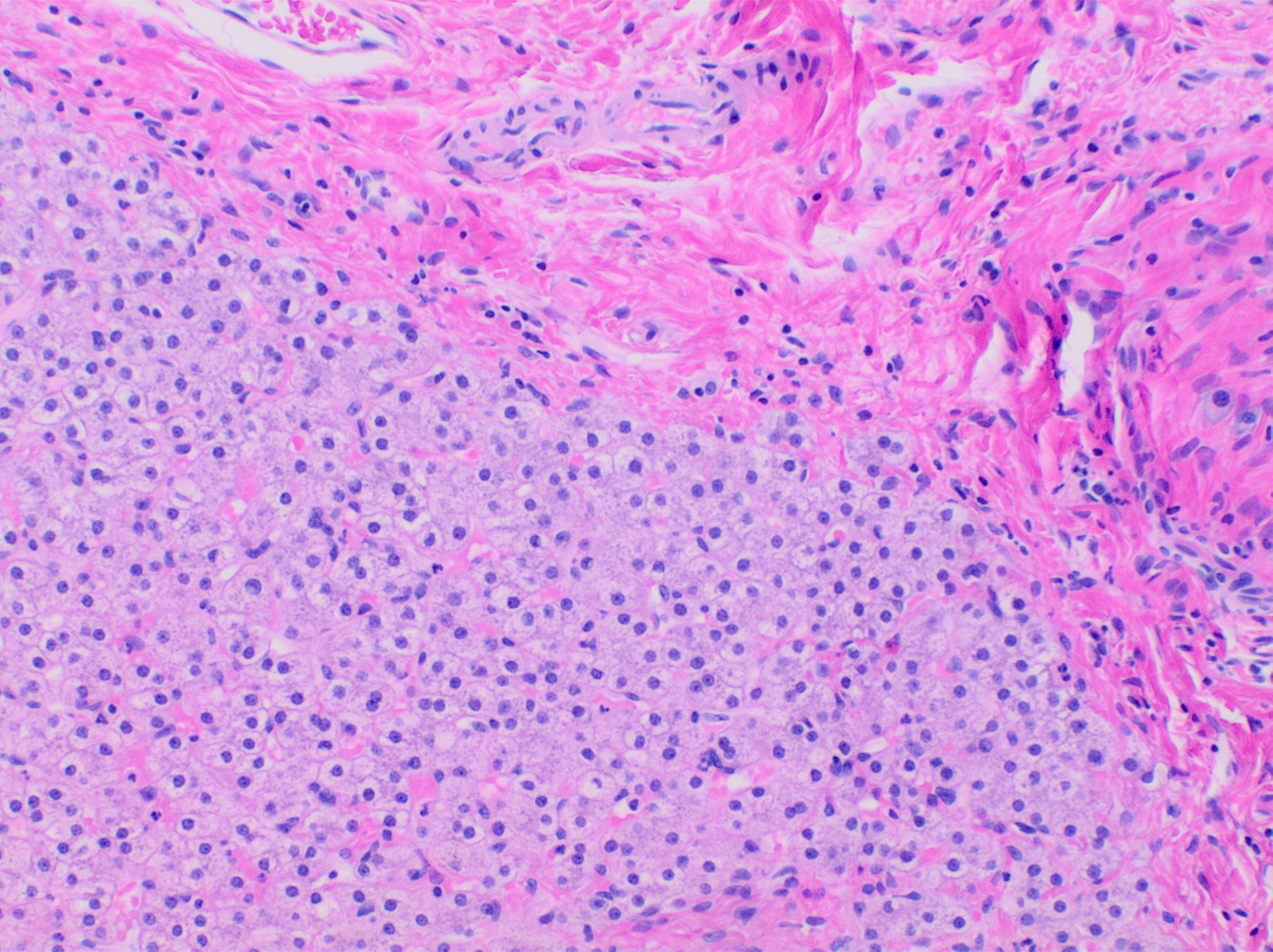
How the Liver Processes Nutrients and Drugs
How portal blood reaches the liver and how hepatocytes handle glucose, amino acids, bile and medication metabolism.
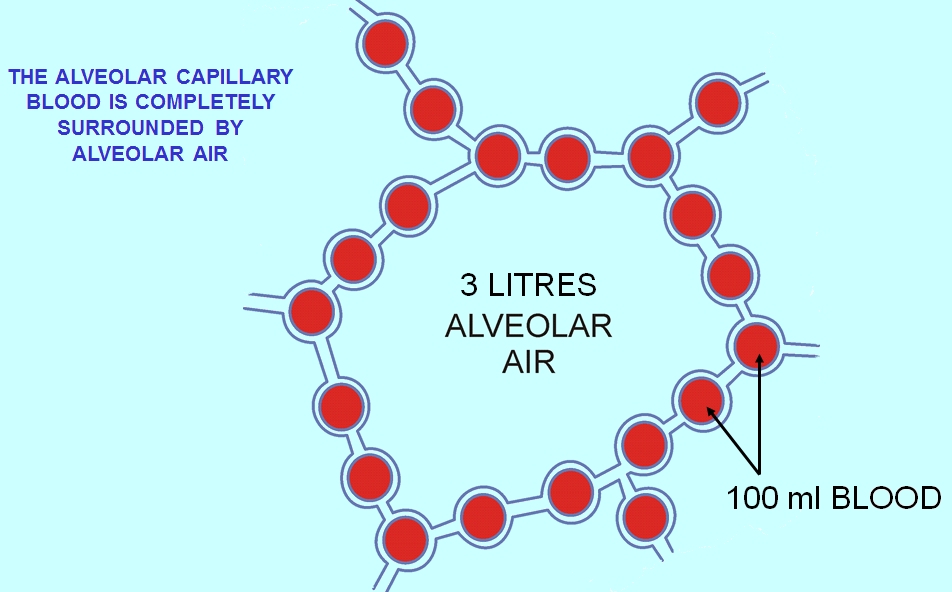
How the Lungs Exchange Oxygen and Carbon Dioxide
A practical account of alveoli, diffusion, hemoglobin and why airflow and blood flow must match for gas exchange.
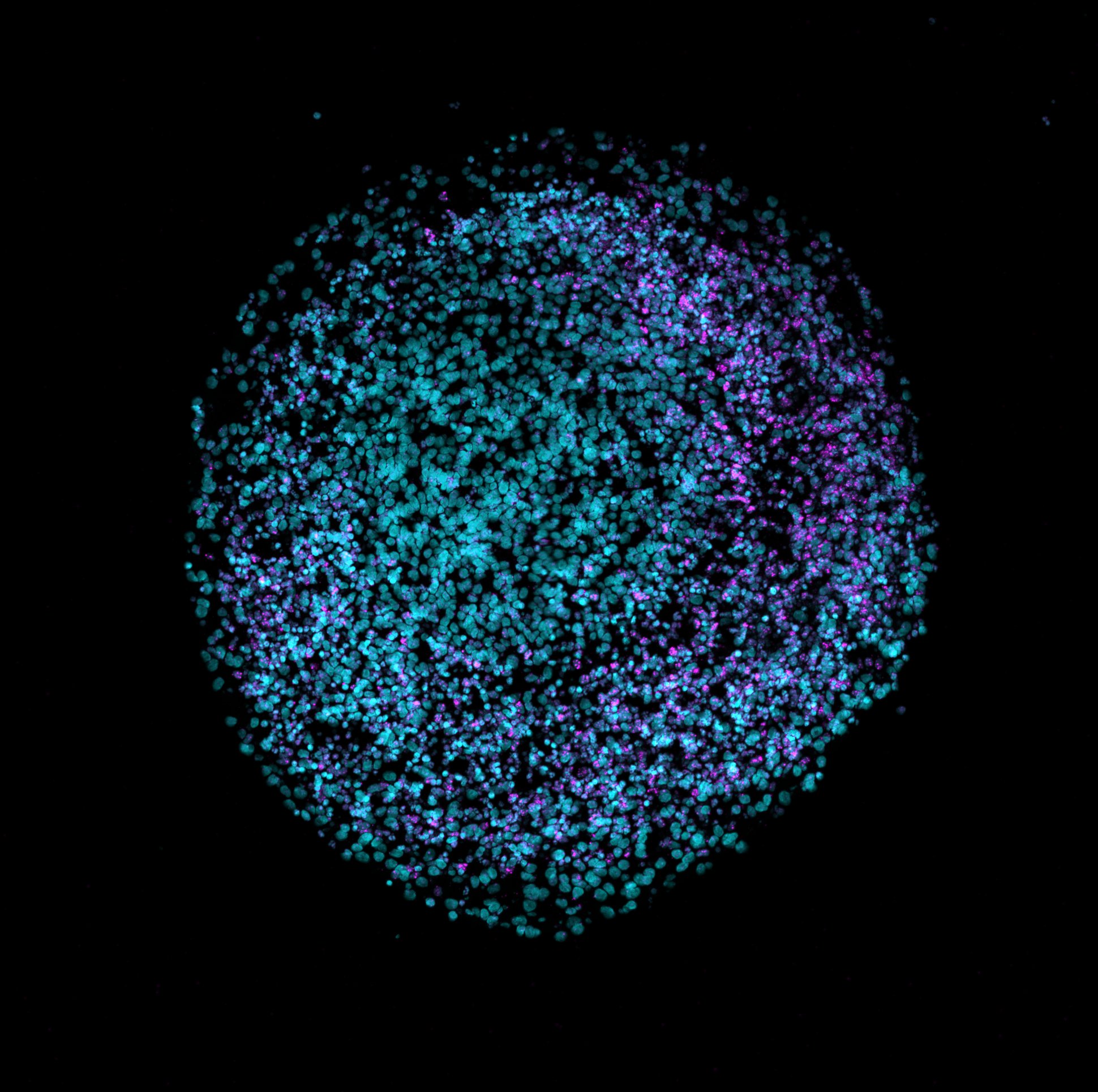
How Scientists Grow Organoids in the Lab
Organoids are tissue-like models grown from stem cells. Learn how they form, what they reveal and where they fall short.
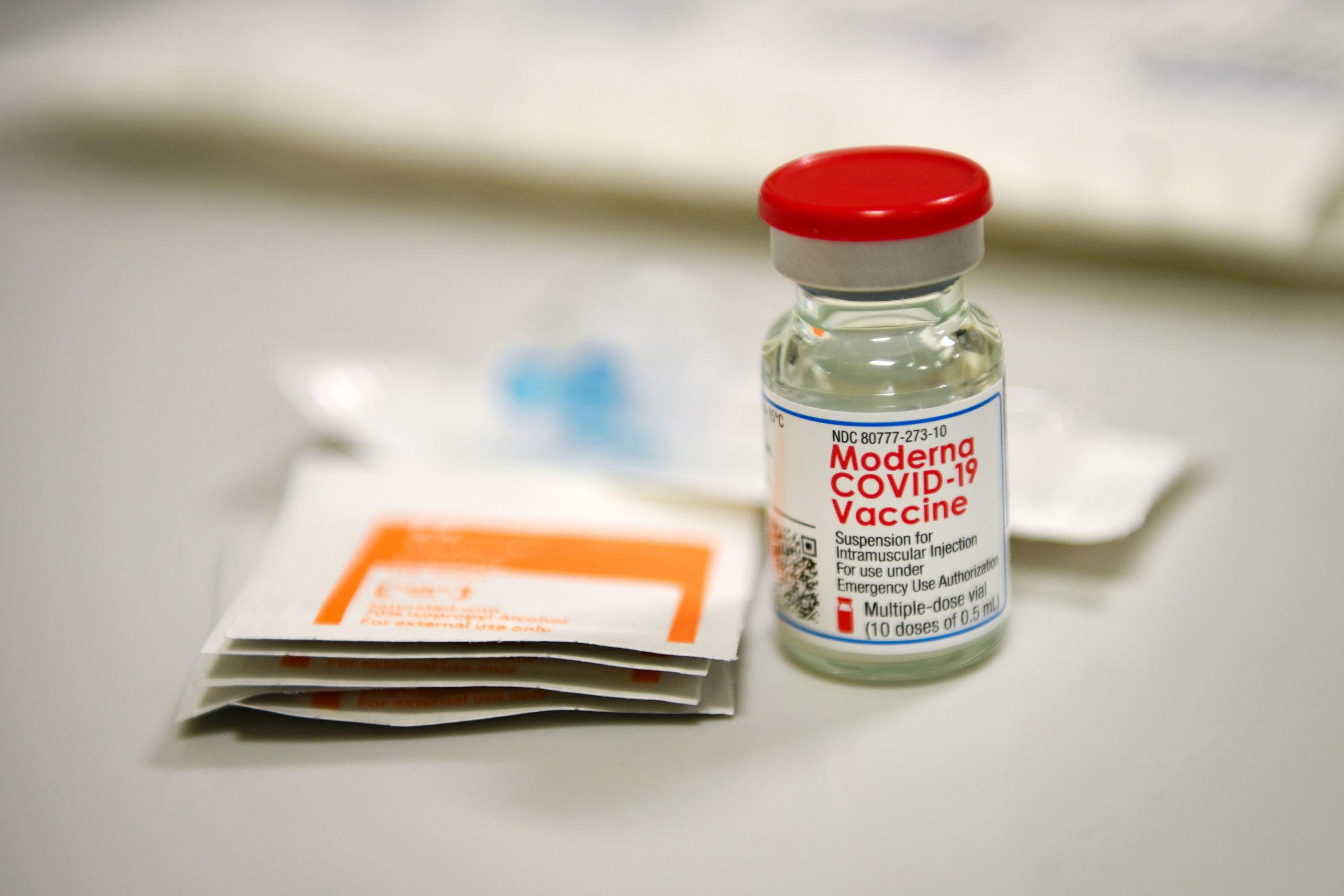
How mRNA Vaccines Are Designed and Manufactured
From RNA sequence design and in-vitro transcription to lipid nanoparticles, quality control and batch release.
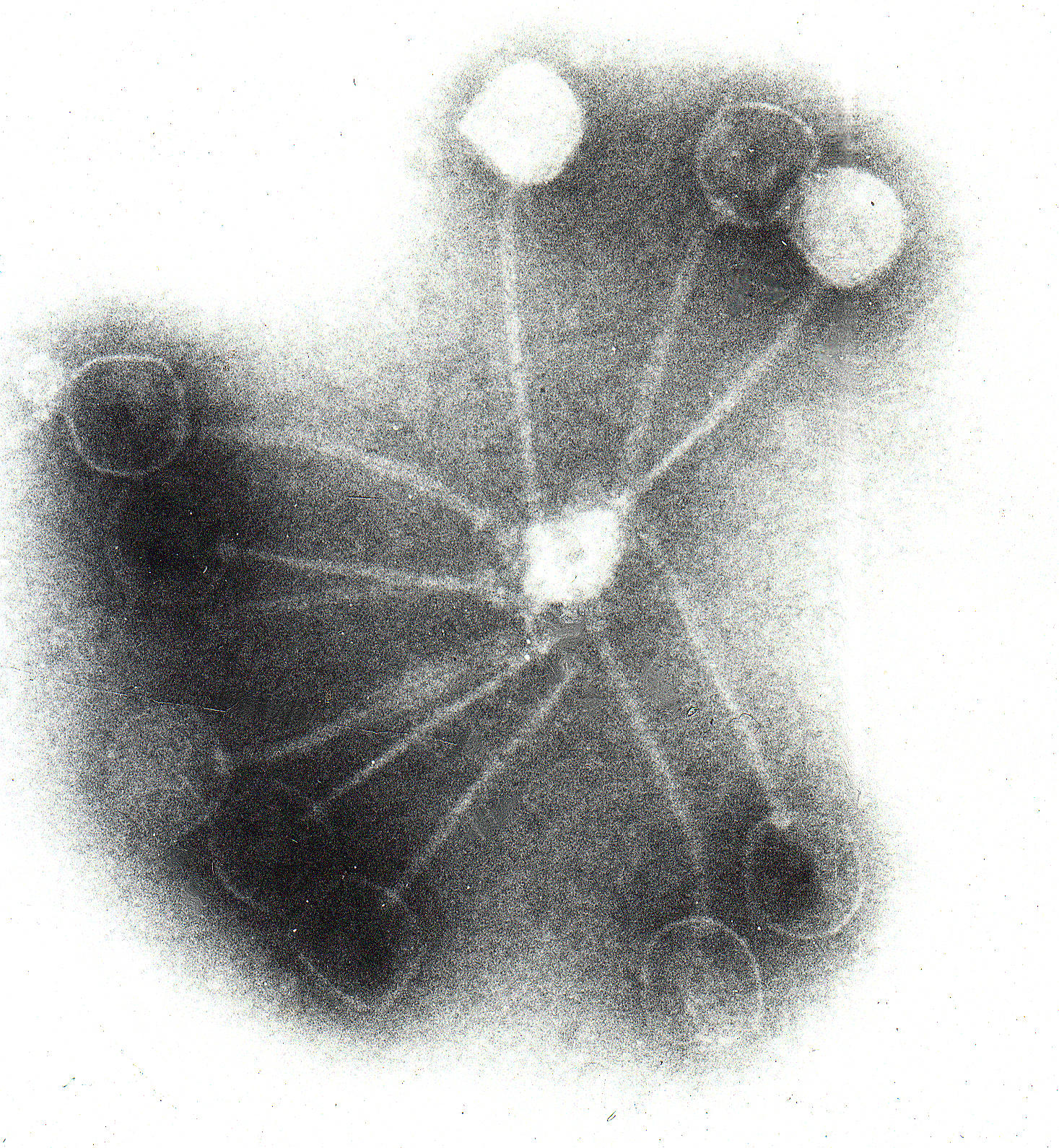
Bacteriophages and the Bacteria They Infect
A close look at lytic and lysogenic phages, bacterial host range, gene transfer and the ecology of bacterial viruses.
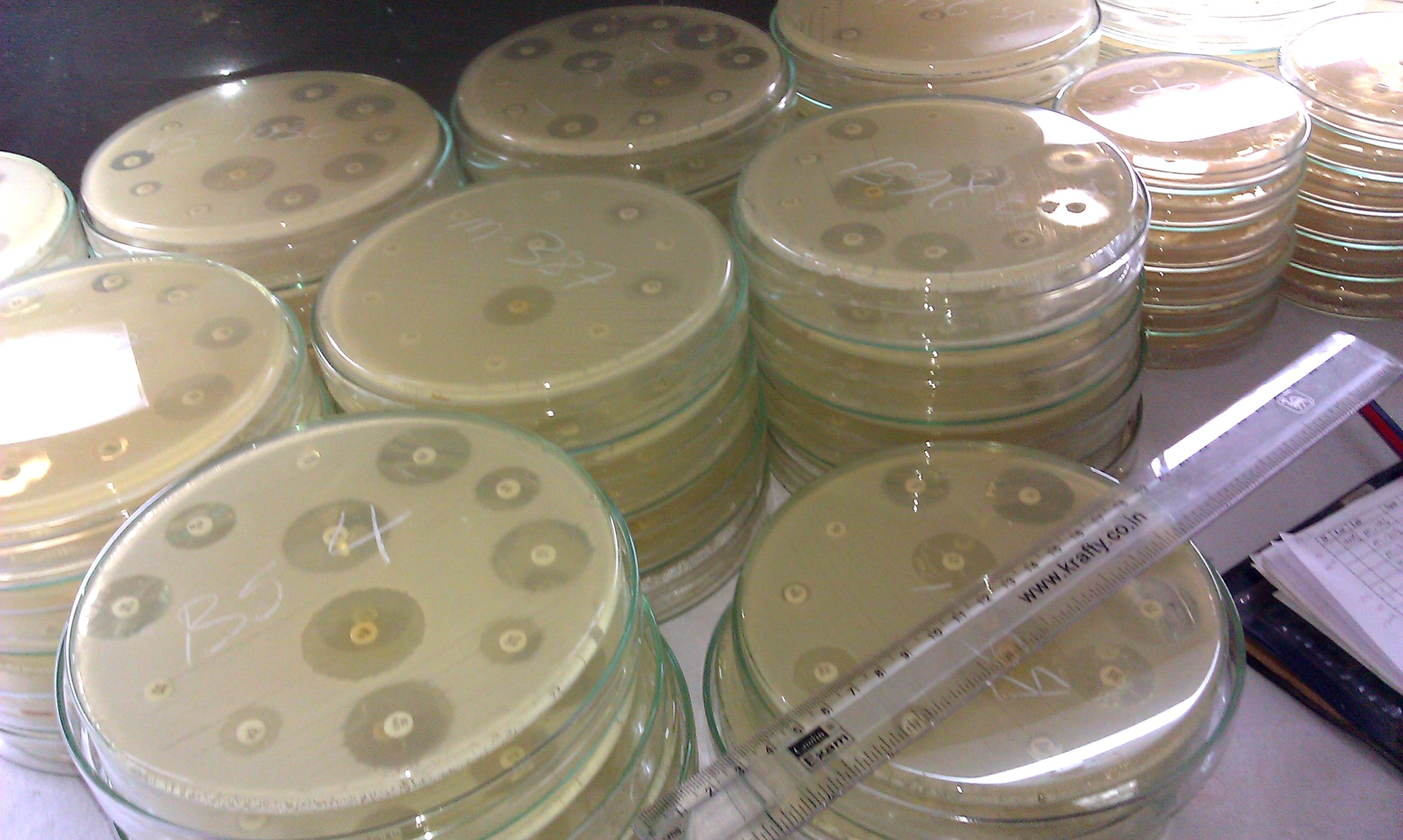
How Antibiotic Resistance Evolves in Bacteria
How selection, mutations, efflux pumps and mobile genes allow some bacteria to survive antibiotic exposure.
How Cells Control Gene Expression
Promoters, enhancers, chromatin and RNA regulation help cells with the same DNA perform very different jobs.
What Crossing Over Does During Meiosis
Why homologous chromosomes exchange DNA, how genetic recombination changes inheritance, and why crossovers assist chromosome separation.