An antibiotic can work well against one bacterial isolate and poorly against another isolate of the same species. That difference may come down to a gene, a change in a drug target, or the way a bacterial cell controls what enters and leaves it. Antibiotic resistance does not mean that a person’s body has become resistant to medicine. It means that bacteria have acquired or already possess characteristics that let them survive an exposure that would inhibit susceptible bacteria.
Selection acts on variation that already exists
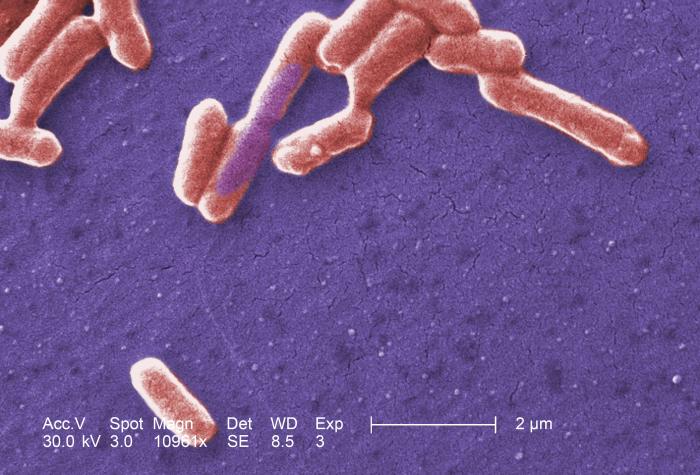
A large bacterial population contains variation. Mutations arise as cells replicate, and some bacteria acquire DNA from other bacteria. Most changes have nothing to do with antibiotics. A few may affect proteins or processes that a drug targets. When an antibiotic is present at concentrations that inhibit susceptible competitors, a resistant minority can survive and leave descendants. The treatment has changed which variants are successful. It has not necessarily instructed every bacterium to invent exactly the defense it needs.
The distinction between mutation and selection is fundamental. Consider a culture containing a rare resistant cell before an antibiotic is added. After exposure, the resistant descendants may dominate even though resistance was rare at the beginning. Classic fluctuation experiments helped establish that bacterial resistance mutations can arise before selection, rather than appearing solely because a drug is introduced. Bacteria can also exchange existing resistance genes horizontally, so evolution in a population involves more than mutations passed from parent to offspring.
Different drugs create different challenges
Antibiotics do not all act in the same way. Some interfere with bacterial cell-wall synthesis, others disrupt protein production or nucleic-acid processes. A bacterium’s defense depends on the chemistry of the particular drug. Beta-lactamase enzymes, for example, can break down the beta-lactam ring of certain antibiotics. Carbapenemases are important examples with potentially broad effects on clinically valuable drugs. Their activity varies by enzyme and antibiotic; not every beta-lactamase destroys every beta-lactam.
A second strategy changes the drug’s target. A small alteration in a ribosomal component, enzyme, or other binding site may reduce how effectively a drug works. But the altered target must usually continue doing its essential biological job. Resistance is therefore constrained by the need for a functional bacterium. Sometimes a mutation reduces growth under conditions without the drug, creating a fitness cost. Other changes can compensate for that cost, and not all resistance mechanisms carry an easily detectable penalty.
Entry barriers and efflux pumps
Gram-negative bacteria have an outer membrane that can limit drug entry. Channels called porins allow selected small molecules to cross, and changes in porin expression can reduce susceptibility to particular drugs. Efflux pumps add another defense by transporting substances out of the cell. Some pumps have broad substrate ranges, but a pump that reduces susceptibility to one antibiotic may not affect another. Researchers therefore avoid describing resistance merely as bacteria ‘pushing medicines away’; the permeability of the cell envelope, transport proteins, and the drug’s target all interact.
The distinction matters in the laboratory. An organism might carry a gene associated with an efflux pump without expressing it strongly enough to resist a particular drug. Conversely, a resistant phenotype may result from several modest mechanisms working together. Genetic screening identifies possible explanations, while susceptibility testing measures how the living organism responds under defined conditions. Both approaches provide information, and neither automatically substitutes for the other.
| Resistance mechanism | What the bacterium does | Illustrative example |
|---|---|---|
| Drug inactivation | Uses an enzyme to chemically alter or destroy the drug | Some beta-lactamases act on beta-lactam antibiotics |
| Target alteration | Changes the molecule that the drug normally binds | Modified penicillin-binding proteins |
| Reduced accumulation | Limits entry or pumps the antibiotic outward | Changes in porins or efflux pump activity |
How resistance genes move between bacteria
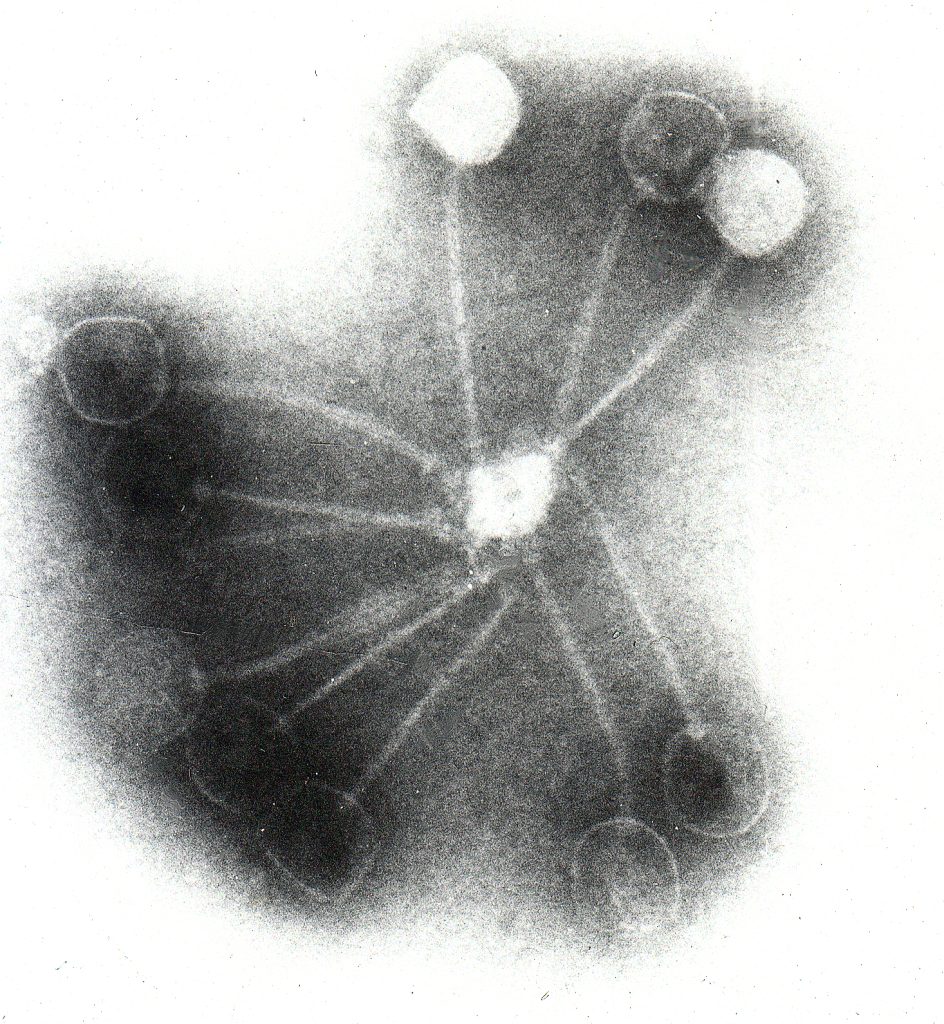
Bacteria can acquire DNA by transformation, which involves uptake of DNA from their surroundings; transduction, which involves bacterial viruses; and conjugation, often mediated by plasmids transferred between cells. Plasmids may carry multiple resistance determinants together. If selection favors one gene on a plasmid, other linked genes can become more common too. This complicates the assumption that reducing use of one drug will instantly remove all resistance associated with it.
These transfers are constrained by species compatibility, cell biology, and environmental circumstances. A gene is not guaranteed to function merely because it enters a cell. It must be maintained and expressed, and its protein must work in the new host. Still, horizontal transfer can move useful traits far faster than waiting for a particular mutation to appear independently in many lineages. For the role of bacterial viruses in such exchanges, see Bacteriophages and Bacterial Populations.
Resistance is not the same as persistence
Some bacteria survive antibiotic exposure without inheriting a stable resistance mutation. A small subpopulation may enter a physiological state in which processes targeted by a drug are temporarily less active. These cells are sometimes described as persisters. If they regrow in drug-free conditions, their descendants can remain susceptible to the original antibiotic. Tolerance and persistence involve how an exposure is survived over time, while genetically determined resistance generally shifts the concentration needed to inhibit growth in a susceptibility test.
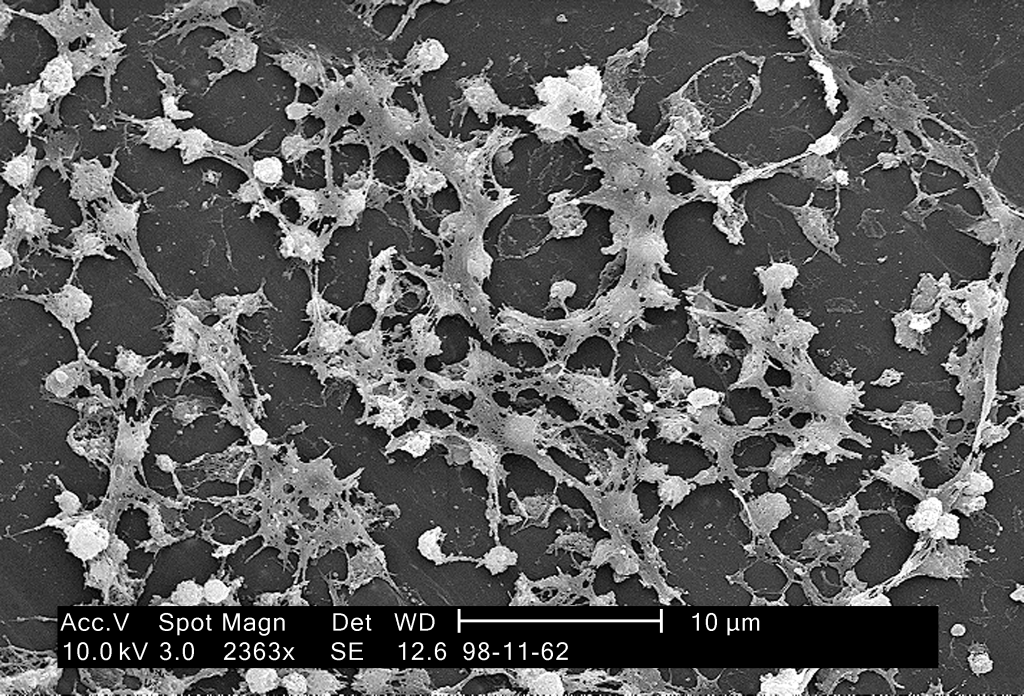
Biofilms add further complexity. Cells in a surface-attached community may experience gradients in nutrients, oxygen, and antibiotic exposure, and extracellular material can influence drug access. Biofilms can harbor resistant strains, but the difficult removal of a biofilm does not prove that every member carries resistance genes. The difference between tolerance, persistence, and resistance is particularly useful when reading Why Biofilms Are So Hard to Remove.
How laboratories measure susceptibility
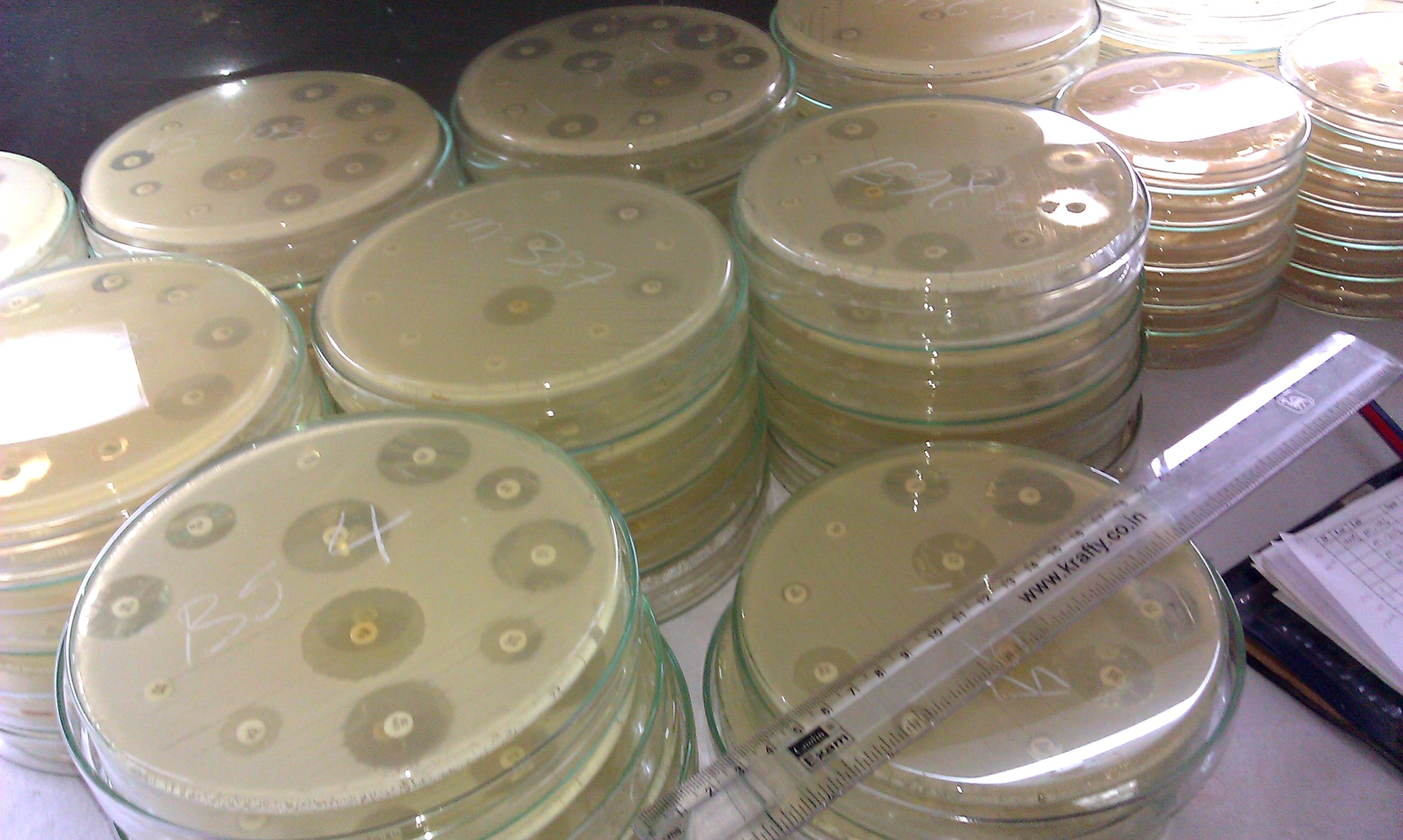
One common laboratory measure is the minimum inhibitory concentration, or MIC: the lowest tested drug concentration that prevents visible growth under specified conditions. Laboratories interpret MICs using clinical breakpoints informed by microbiology, pharmacology, and treatment evidence. An MIC is not a universal measurement of whether every bacterium in a patient will be eliminated. Results depend on test methods and must be considered in the clinical setting, including the infection site and whether the drug can reach effective concentrations there.
Researchers also sequence genomes, study enzyme activities, examine transport, and test experimental populations over many generations. When a resistance-associated variant rises in frequency, they ask whether it was already present, how much survival advantage it provides, and what trade-offs it imposes. This is evolutionary biology observed through both molecules and populations. It is also a reason to be cautious about sensational headlines claiming that one newly identified gene makes all antibiotics useless.
What prevention can and cannot do
Careful antibiotic use reduces unnecessary selection pressure, but resistance also exists naturally and cannot be eliminated by one policy. Infection prevention, vaccination where appropriate, safe healthcare practices, surveillance, and development of diagnostics all affect the wider problem. Decisions about taking or stopping prescribed antibiotics belong with qualified clinicians; a science article cannot determine the right treatment for an individual infection. The core biological message is more specific: resistance spreads when heritable survival advantages encounter environments where those advantages matter. Managing the problem requires understanding both sides of that relationship.
References and further reading
Featured image: Microrao · CC BY-SA 4.0.