
Articles
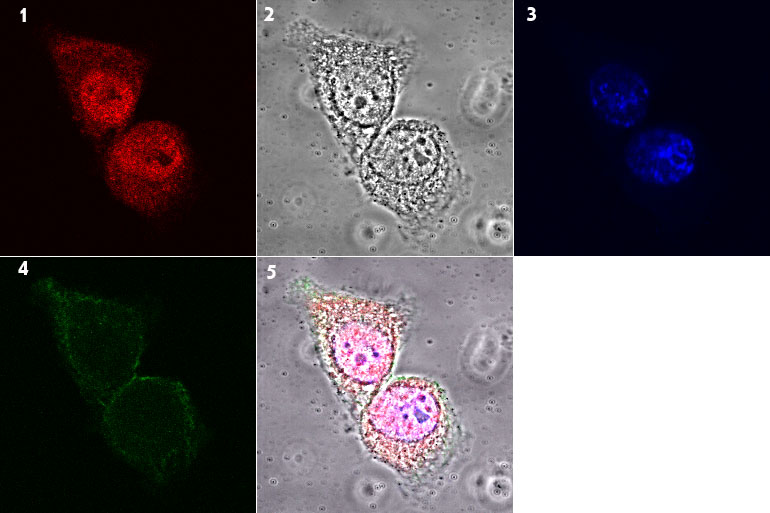
How Substances Cross Cell Membranes
The differences between channels, carriers and pumps—and why osmosis and electrochemical gradients matter to living cells.
How Lysosomes Recycle a Cell’s Worn-Out Parts
How lysosomes digest damaged proteins and organelles, support autophagy and recover material cells can use again.
Enzymes: The Chemistry Behind Life’s Reactions
Catalysts make cellular chemistry proceed at useful rates without changing the overall equilibrium.
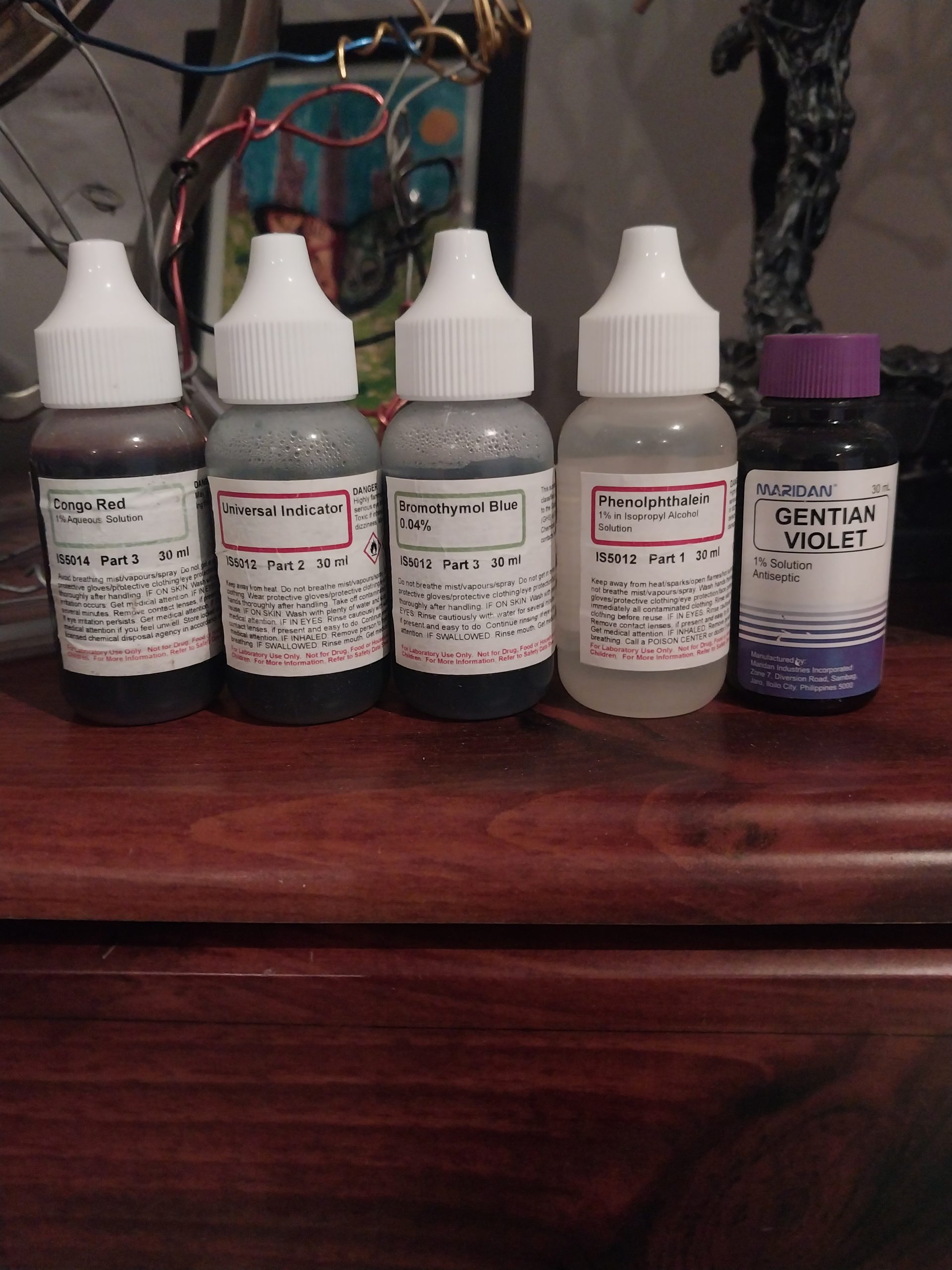
Why pH Matters in Biology
Small changes in hydrogen ion activity can affect proteins, membranes and chemical reactions.
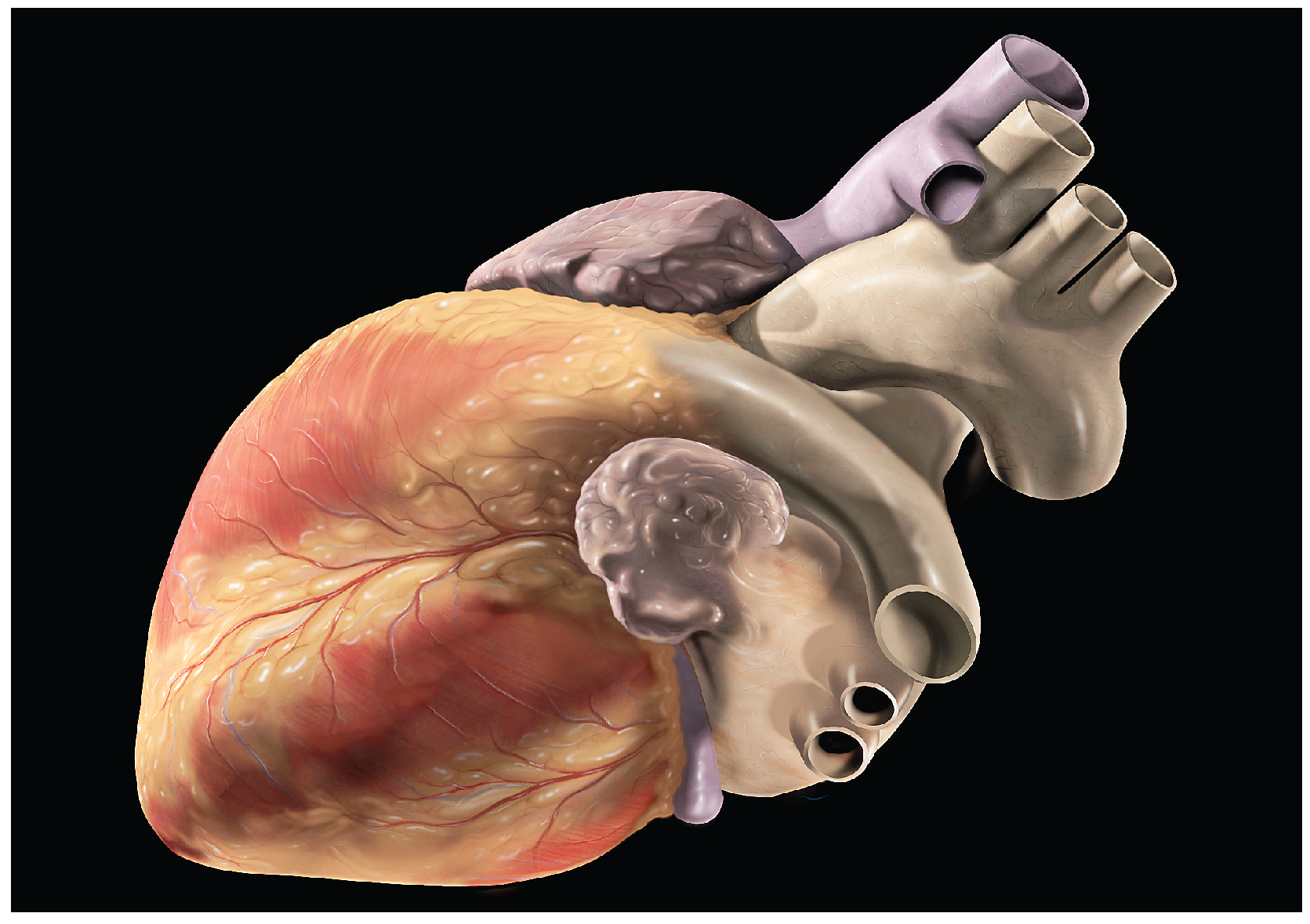
How Blood Moves Through the Heart
Four chambers and a series of valves keep blood moving through the lungs and the rest of the body.
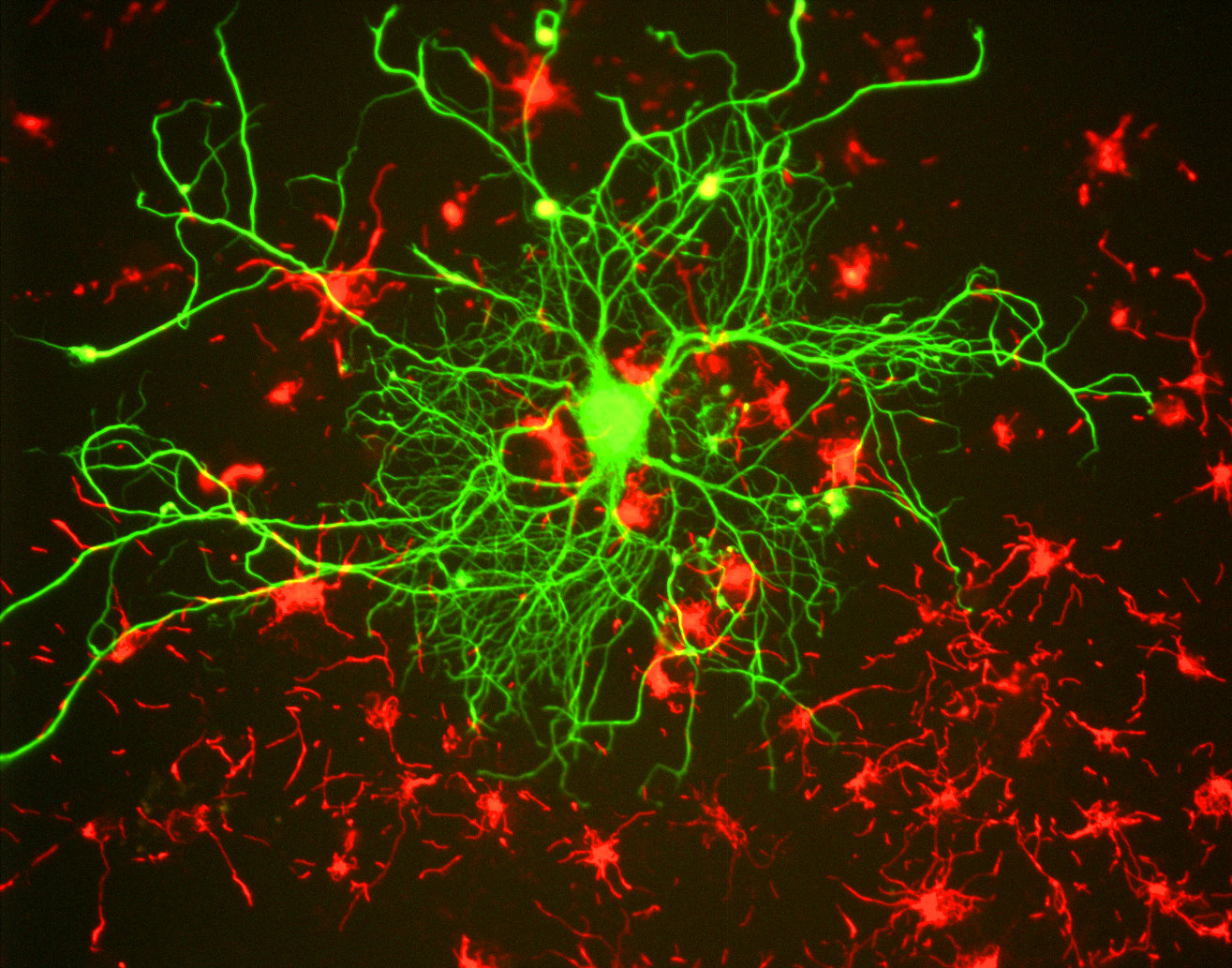
The Electrical Signals That Keep Your Body Moving
Nerve cells use changing membrane voltage to carry signals over long distances.
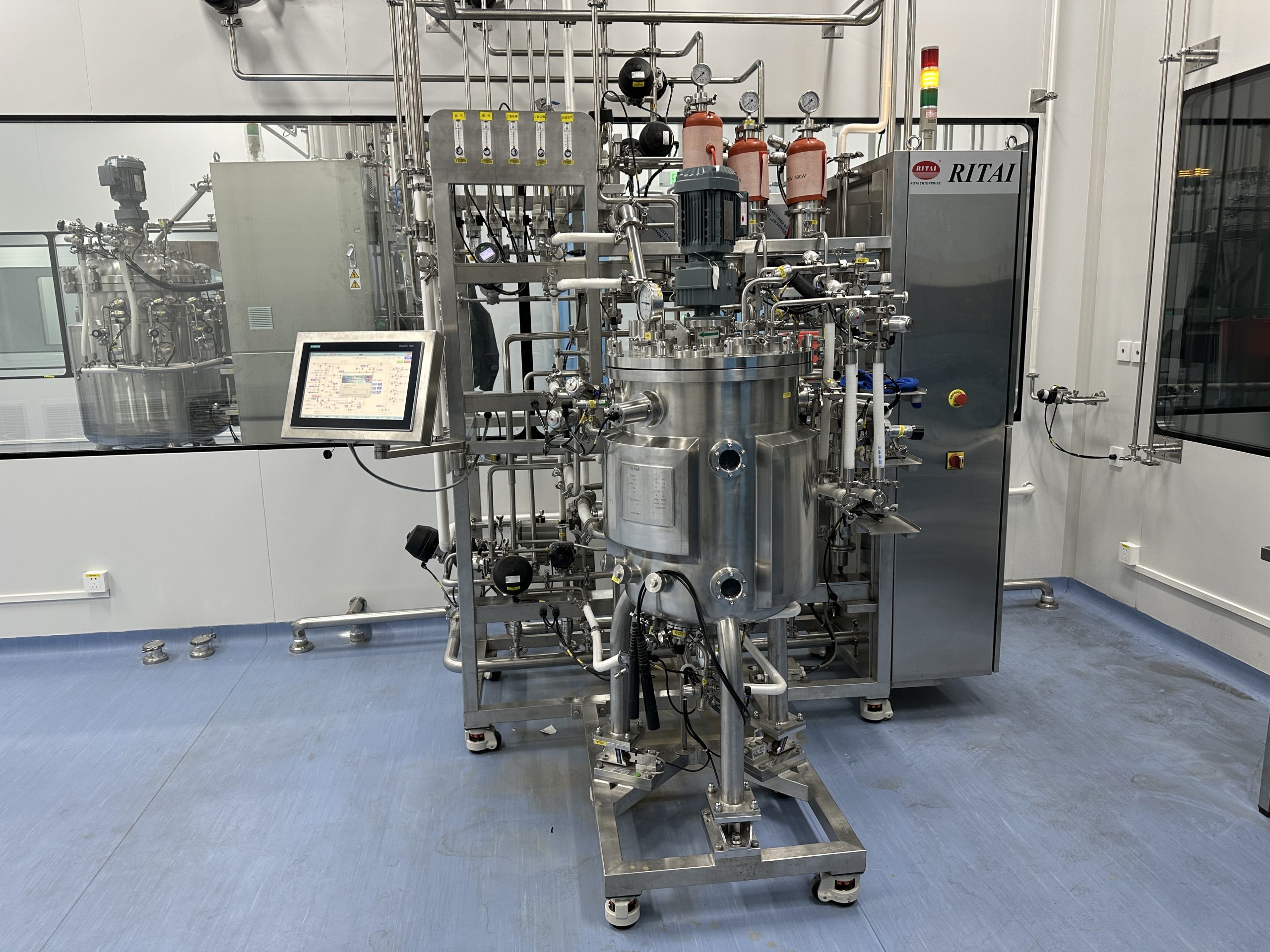
What Happens Inside a Bioreactor?
Controlled vessels help researchers grow cells and manage the conditions needed for a biological process.
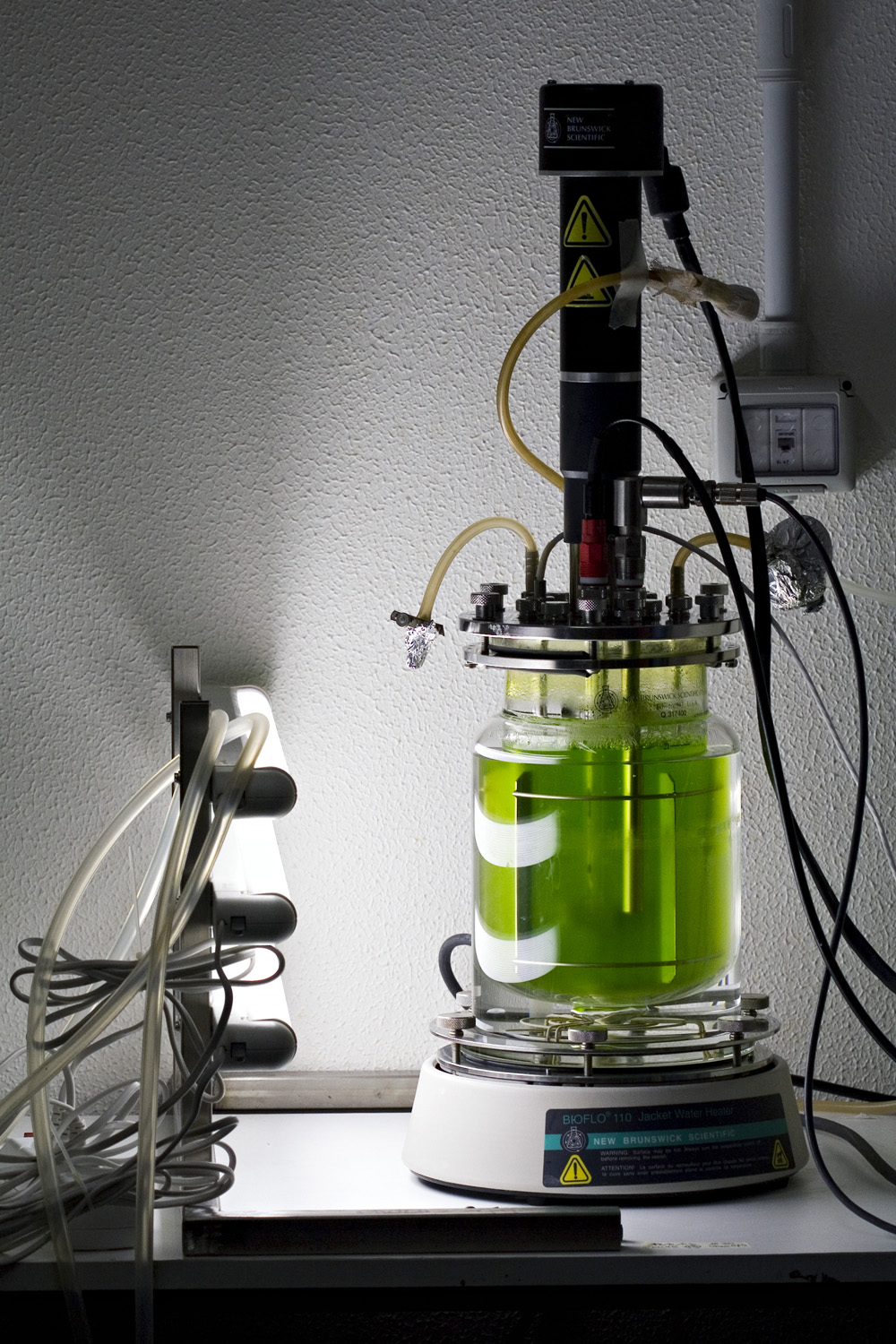
Building Biology: The Work of Synthetic Biology
Synthetic biology combines biological knowledge with deliberate design, testing and revision.
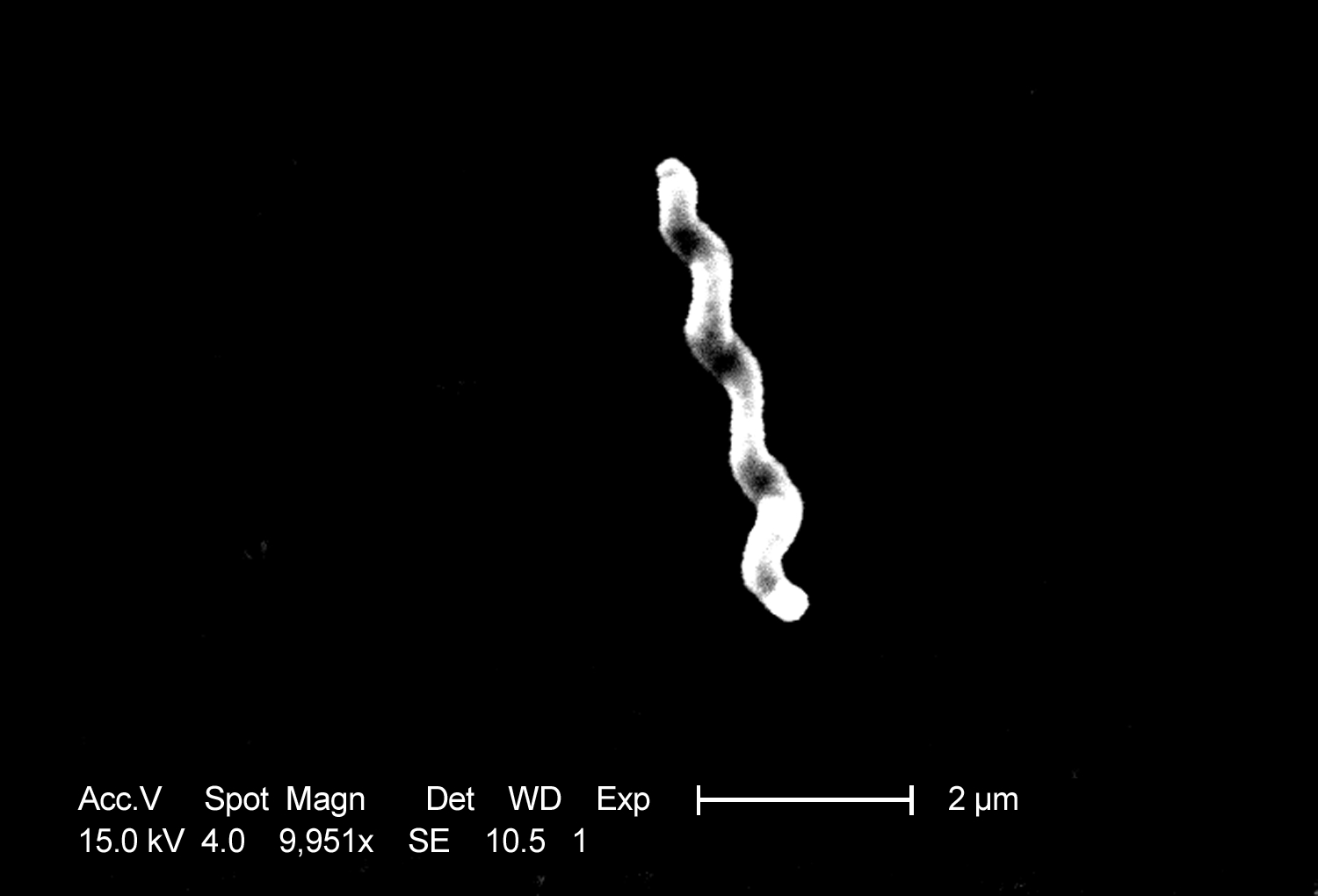
A Closer Look at Bacterial Shapes
Rods, spheres and spirals are more than convenient labels for bacteria.
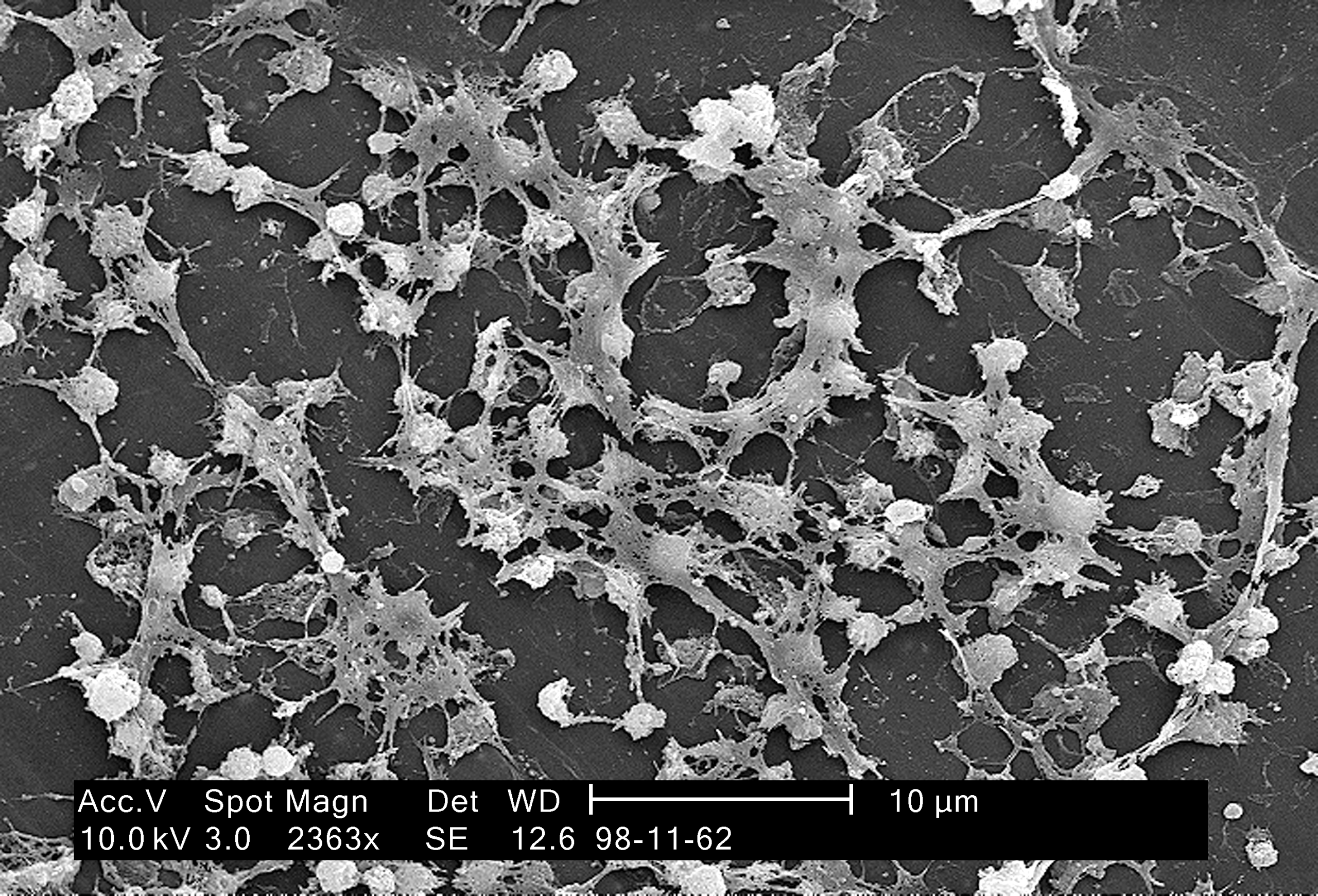
Why Biofilms Are So Hard to Remove
Microbes living in surface-attached communities behave differently from free-floating cells.