A small change in acidity can change the charge of a protein and alter the way it binds another molecule. That is one reason cells control pH carefully. Yet the same pH number can mean different things in different solutions because buffering and chemical composition matter. To understand pH in living systems, it is worth connecting the logarithmic scale to specific molecular and physiological examples.
A logarithmic scale
pH expresses the acidity of a solution in terms of hydrogen ion activity. Because the scale is logarithmic, a change of one pH unit represents a tenfold change in hydrogen ion activity under the usual definition. The familiar zero-to-fourteen range applies only to common aqueous conditions, not every possible solution.
Why proteins notice acidity
Proteins contain chemical groups that can gain or lose protons as surrounding conditions change. This alters electrical charges and can influence interactions among protein regions or with other molecules. An enzyme may function best within a particular pH range because the groups involved in binding or catalysis need suitable protonation states. Outside that range, reaction rates may decline; at sufficiently extreme conditions some proteins can unfold. Not every protein has the same optimum, and the shape of a pH-activity curve can be more complicated than a smooth symmetrical peak. The relevant question is which chemical steps are sensitive to pH, not whether acidity is generally “good” or “bad” for proteins.
Buffers resist sudden change
A buffer contains components that can accept or donate protons, limiting the pH shift after moderate additions of acid or base. Its effectiveness depends on the concentrations of those components and how closely the system operates to the relevant acid dissociation equilibrium. The Henderson–Hasselbalch equation links pH to the ratio of conjugate base and acid in a simple buffer model. Biological fluids contain interacting buffering systems rather than one neat laboratory pair. Proteins, phosphate compounds and bicarbonate all play roles in various compartments. A buffer does not lock pH forever; its capacity can be exceeded. Saying that blood stays at a constant pH regardless of circumstances would misrepresent a tightly regulated but dynamic system.
Blood and breathing
Blood pH is maintained within a narrow range by chemical buffers together with respiratory and renal regulation. Carbon dioxide is linked to carbonic acid and bicarbonate chemistry, so changes in ventilation can alter the acid-base balance. The lungs influence carbon dioxide removal relatively quickly, while the kidneys adjust processes such as bicarbonate handling and acid excretion over longer periods. Disturbances may have respiratory or metabolic causes, and the body can sometimes compensate partly for a primary change. Compensation is not necessarily complete correction. Clinical interpretation relies on measured blood gases, electrolytes and patient context, not on a casual estimate from symptoms or a food’s advertised acidity.
Different compartments, different pH
The body does not have one universal pH. The stomach is normally acidic, supporting digestion and helping limit the survival of some swallowed microorganisms. Lysosomes within many cells are acidic compartments containing enzymes adapted to those conditions. The cytosol is generally maintained closer to neutral under many conditions, while specialized organelles and local microenvironments can differ. These gradients often require membrane transport proteins and energy to maintain. For example, proton pumps acidify some intracellular compartments. The biological purpose of a pH difference depends on location. A recommendation to make the entire body more alkaline ignores compartmentalization and the normal physiology that keeps distinct environments working.
How pH is measured
Working through a buffer-ratio example
The Henderson–Hasselbalch relationship links the pH of an idealized buffer to the acid’s pKa and the ratio of conjugate base to weak acid. If those two forms are present at equal effective concentrations under the relevant approximation, the logarithmic ratio is zero and pH is approximately pKa. A tenfold ratio in favor of the base shifts the calculated pH about one unit higher. This is a chemical model, not a statement that every biological sample behaves ideally: proteins, compartmentalization, carbon dioxide exchange and ionic conditions complicate real systems. Nonetheless, the example shows why the capacity of a buffer depends on its composition and why pH cannot be inferred from how much acid a liquid has received without knowing what else is present. The OpenStax buffer chapter develops the calculation and its assumptions.
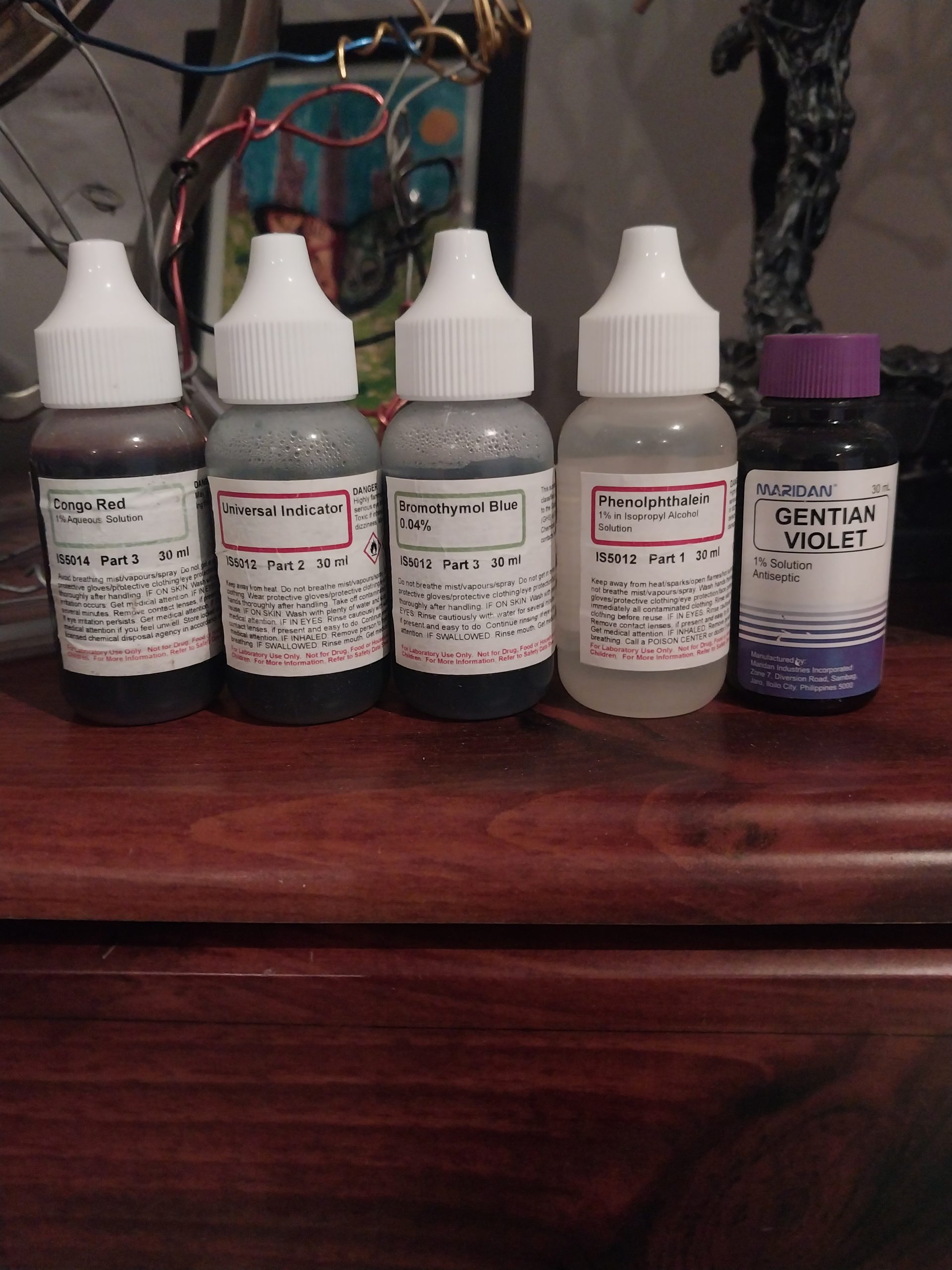
A calibrated pH electrode measures a voltage related to hydrogen-ion activity and provides quantitative results over an appropriate range. Indicator dyes can also reveal acidity, but their color response and precision are limited by the dye, sample and lighting conditions. Temperature and ionic composition may affect measurements, so laboratory protocols record conditions and calibrate equipment. In living cells, specially designed fluorescent indicators can track local pH changes, although calibration and probe placement remain challenges. Measuring the acidity of a food is not the same as measuring blood or tissue pH after that food is eaten. Clear science communication should distinguish a measurement made in a glass beaker from the regulated physiology of a person.
Acidity is not the same as toxicity
An acidic environment is not automatically harmful, just as a solution near neutral pH is not automatically safe. Vinegar and gastric fluid are acidic but have different compositions and biological roles. A highly buffered solution may resist pH change even while its current pH matches that of a weakly buffered liquid. Toxicity depends on which substances are present, their concentrations, exposure route and many other conditions. Discussions of pH should therefore resist the familiar shortcut of treating acid as a synonym for danger or alkaline as a synonym for health. Biological chemistry is organized around context and regulation.
What one pH unit actually means
A difference of one pH unit represents a tenfold difference in hydrogen-ion activity, within the idealized interpretation of the logarithmic scale. A solution at pH 6 has roughly ten times the hydrogen-ion activity of one at pH 7. That does not mean it contains ten times as much total acid, because weak acids and buffers can hold substantial acid in forms that are not free hydrogen ions. To compare biological solutions fairly, researchers may need the temperature, ionic strength and buffering composition alongside the pH value. [1]
A real physiological buffering example
Carbon dioxide produced by tissues participates in an equilibrium involving dissolved CO2, carbonic acid and bicarbonate. Breathing can alter the CO2 component relatively quickly, while the kidneys regulate net acid excretion and bicarbonate balance over longer periods. This partnership helps keep blood chemistry within a narrow functional range. It does not imply every cell compartment has the same pH: lysosomes, for instance, maintain acidic interiors suited to their enzymes. A single phrase such as “normal pH” is therefore incomplete without saying which tissue or compartment is being measured.
Blood chemistry is not regulated by buffers alone: the kidneys play a longer-timescale role in handling acids and bicarbonate, as described in How the Kidneys Keep Blood Chemistry in Balance.
References
Featured image: Danny William Wilson, CC BY-SA 4.0. Shows indicators, not physiological pH in vivo